A Book About Leadership
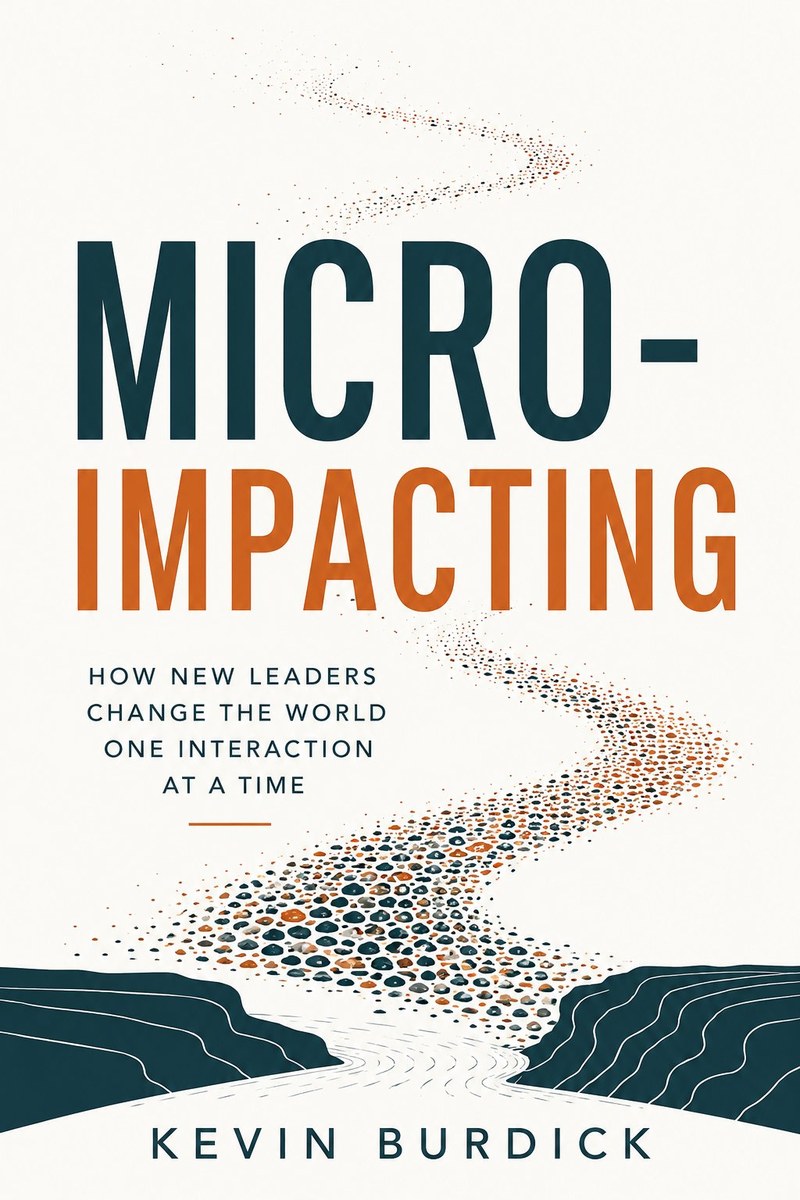
Micro‑Impacting
How Effective Leaders Change the World One Interaction at a Time.
Join the Launch List
A Book About Leadership
How Effective Leaders Change the World One Interaction at a Time.
The Book
In 1971, my father was a college student at Arizona State University with every reason to believe he was going to change the world.
Somewhere along the way, he changed his mind.
Most people start out wanting to change the world and end up believing that everyday life is too small to matter. Micro-Impacting argues the opposite. Real leadership is not reserved for the powerful, the famous, or the people with the biggest platforms. It happens in ordinary moments — in the conversations we have, the choices we make, and the small acts we repeat over time. Drawing on the example of his father's life and his own experiences in business, service, and music, Kevin Burdick shows how leaders can create meaningful change one interaction at a time. This is a practical, hopeful guide for anyone who wants to live and lead with purpose, right where they are.
Who It's For
From the Prologue
In 1971, my father was a college student at Arizona State University with every reason to believe he was going to change the world.
He was twenty-two years old. The oldest of ten children. A returned missionary. He had been raised in St. Johns, on the Apache County side of eastern Arizona, and he'd left for college full of fire — the kind of fire that the early 1970s gave a generation of young people who watched the world on television and decided they were the ones who were going to fix it.
He wanted to do social work. He wanted to go where the suffering was — into the cities, into the reservations, into the broken places — and use the rest of his life to repair what was broken.
And then, somewhere along the way, he changed his mind.
He told me, years later, what he thought had happened. The way he put it — and I am going to give you the exact words because they have stayed with me for thirty years — was this:
When I started college, I wanted to change the world. By the time I finished college, I just wanted to feed my family.
So he traded the dream for the duty. He went to law school. He graduated in 1976. He could have gone anywhere with that degree.
He went home to St. Johns, Arizona, and took a job as a Deputy County Attorney for Apache County.
For twenty-seven years, that's where he stayed.
If you don't know St. Johns: it is a town of about thirty-five hundred people, in a county where most of the land belongs to either the federal government or the Navajo and Apache nations. Most people who grow up there leave for the city the first chance they get. My father grew up there, left, and came back, and stayed.
He prosecuted the local cases — the assaults, the burglaries, the DUIs. He served on the city council. He served as mayor. He raised five children there. He buried friends there.
In 1989, after he was re-elected to the city council, a letter arrived at his office on United States Senate stationery. The senator was John McCain. The letter said, in part: I think running a city and being the elected official closest to the electorate is one of the toughest jobs in America.
McCain knew. He had spent his career thinking about what kinds of work actually move a country, and he was telling my father — a small-town councilman in Apache County, Arizona — that the unglamorous, close-to-the-ground work of running a place where everyone knows your name was as serious as anything happening in Washington.
My father died in 2017. Even at the end, fighting a degenerative disease that takes everything from a person before it takes them, he kept saying the same three words to anyone who would listen.
Life is good.
What I think my father did not see, and what most of us cannot see when we are twenty-two years old, is that the power to change the world he wanted to change was already in him. It was in him at twenty-two. He did not see that the duty he chose, done honestly, every day, for the rest of his life, was the dream.
The work was small. The town was small. The cases were small. And over twenty-seven years, the small work became something I have come to recognize as one of the largest things a single human being can build.
This book is about that.
You are not going to change your team, your company, your community, or the world by giving one great speech. You are going to change all of those things — if you change them at all — by who you are, on Tuesday morning at 9:42, when somebody on your team comes to you with something small and you have a choice about how to respond.
That is the unit of work.
The river is patient. It has done this before.
— from the prologue
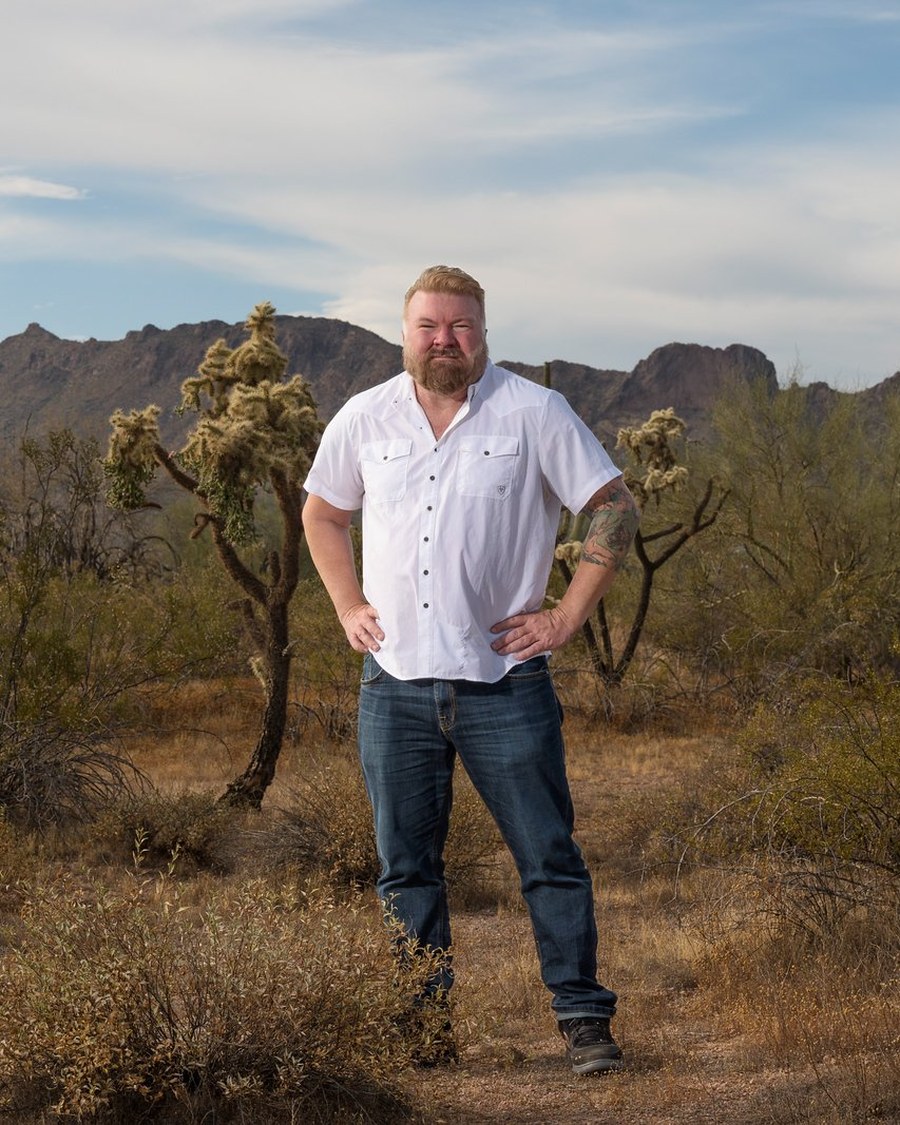
The Author
Speaking
Kevin speaks to leadership teams, sales organizations, and managers at every stage about the daily practice of building leaders, teams, and cultures that compound over time.
Frequent Topics
How effective leaders actually show up on a Tuesday morning at 9:42.
Why the weekly one-on-one is the highest-leverage hour on a leader's calendar.
How organizational culture is actually formed, and why most attempts to "build" it fail.
What real service looks like, and the three derailers that make it fake.
What to do when the daily practice gets harder than you knew it could.
Available formats: keynote, half-day workshop, multi-session leadership development.
For speaking inquiries: kevinburdickconsulting@gmail.com
Get news on the book — publication updates, early excerpts, and occasional notes from Kevin on the practice of micro-impacting. No spam. Unsubscribe any time.
